

Welcome to the world of Amazon drop shipping, where e-commerce meets streamlined online sales. If you’re looking for a business model that allows you to sell products without the hassle of inventory management and order fulfillment, drop shipping on Amazon could be your ticket to success.
But before you dive in, it’s crucial to understand the ins and outs of this game-changing strategy. In this quick guide, we’ll walk you through Amazon’s dropshipping policy, share essential tips for success, help you select the right dropshipping supplier, and explore alternatives to dropshipping on Amazon.
So grab a seat and get ready to learn how to navigate the enticing world of Amazon drop shipping.
Amazon’s Dropshipping Policy
To succeed in dropshipping on Amazon, it’s crucial to understand and follow Amazon’s dropshipping policy. By doing so, you’ll avoid penalties and ensure a smooth experience for both you and your customers.
Adhering to Guidelines
When dropshipping on Amazon, it’s important to follow these guidelines:
- Identify Yourself as the Seller: Make sure to include your own information on all packaging and paperwork. This helps maintain transparency and ensures a positive customer experience.
- No Third-Party Information: Avoid including any third-party information in your product descriptions or packaging materials. This ensures that customers have a clear understanding of who they are purchasing from.
- Handling Returns: Accept and process returns in accordance with Amazon’s policies. This includes providing the necessary support to customers and processing refunds promptly.
- Comply with Terms of Service: Familiarize yourself with Amazon’s Terms of Service and ensure that you are in full compliance. This includes following all applicable rules and regulations outlined by Amazon.
By following these guidelines, you can maintain a successful dropshipping business on Amazon while meeting the platform’s requirements.

Tips for Success in Dropshipping on Amazon
To succeed in dropshipping on Amazon, you need to follow some important guidelines. These tips will help you navigate the world of Amazon dropshipping and maximize your chances of success.
Be the Seller of Record
One of the key guidelines for dropshipping on Amazon is to be the seller of record. This means that you take full responsibility for the transaction, including setting the price and recording sales and revenue. By being the seller of record, you maintain control over the customer experience and can ensure consistent branding and customer support. It also helps build trust with customers, as they know exactly who they’re buying from.
Take Accountability for Customer Experience
Customer experience is crucial in dropshipping on Amazon. As the seller, you need to take ownership and ensure a positive experience for each customer. This involves clear communication, timely order fulfillment, and effective customer support. Make sure your customers know who to contact for any questions or concerns, and provide them with all the necessary information upfront. By prioritizing customer experience, you’ll build a loyal customer base and increase your chances of success.
Avoid Using Ecommerce or Retail Sites
When dropshipping on Amazon, it’s important to avoid using ecommerce or retail sites for dropshipping purposes. This can lead to confusion among customers and may violate Amazon’s policies. Instead, focus on working directly with dropshipping suppliers who are willing to list you as the seller of record on Amazon. This ensures a seamless and coherent buying experience for customers.
Collaborate with Reliable Suppliers
Supplier cooperation is crucial in dropshipping on Amazon. Work with suppliers who are reliable, responsive, and willing to provide excellent customer service support. This includes handling returns and addressing any customer issues promptly. Building a strong partnership with your suppliers will help streamline your operations and ensure a smooth dropshipping process.
Comparison of Amazon Dropshipping Guidelines
| Guidelines | Benefits | Considerations |
|---|---|---|
| Be the Seller of Record | – Maintain control over pricing and customer experience – Build trust with customers | – Requires accountability for sales and revenue recording – Increased responsibility for customer support |
| Take Accountability for Customer Experience | – Build a loyal customer base – Enhance brand reputation | – Requires effective communication and timely order fulfillment – Increased focus on customer support |
| Avoid Using Ecommerce or Retail Sites | – Ensure a seamless buying experience for customers | – Limited flexibility in sourcing products – Reliance on specific suppliers |
| Collaborate with Reliable Suppliers | – Streamline operations and order fulfillment – Provide excellent customer service | – Requires careful selection and vetting of suppliers – Dependency on supplier performance and availability |

By following these tips for success in dropshipping on Amazon, you can navigate the platform’s guidelines more effectively and increase your chances of thriving in the competitive e-commerce landscape.
Selecting a Dropshipping Supplier
When it comes to dropshipping on Amazon, one of the most crucial decisions you’ll make is selecting the perfect dropshipping supplier. Your choice of supplier can greatly impact the success and efficiency of your business. Here are some factors to consider:
1. Account Access
Keep your Amazon account login information safe and secure. Avoid giving access to your Amazon account to a third party dropshipping supplier. Protect yourself, and maintain control over your account to ensure all aspects of your business remain in your hands.
2. Authorization to Sell
Make sure your dropshipping supplier has proper authorization to sell the specific brands you want to offer on Amazon. This is important to avoid any potential legal and copyright issues. Request proof of authorization from your supplier to safeguard your business and establish trust with your customers.
3. Experience with Amazon Sellers
Working with a dropshipping supplier who has experience collaborating with Amazon sellers can significantly streamline the process. They will already have a good understanding of Amazon’s policies, procedures, and requirements. This can help minimize any potential complications that may arise and ensure a smooth working relationship.
4. Customer Service Support
Customer service is crucial in any business, and dropshipping on Amazon is no exception. Confirm whether the dropshipping supplier you are considering can provide excellent customer service support. This includes handling inquiries, addressing issues, and resolving any problems that may arise. Effective customer service will help maintain customer satisfaction and build a positive reputation for your business.
By considering these factors, you can make an informed decision when selecting a dropshipping supplier for your Amazon business. Remember, it’s essential to protect your account, work with authorized suppliers, and ensure outstanding customer service, as these factors contribute to the success of your dropshipping venture.
| Name | Account Access | Authorization to Sell | Experience with Amazon Sellers | Customer Service Support |
|---|---|---|---|---|
| Supplier A | No access | Yes | No | Yes |
| Supplier B | Partial access | Yes | Yes | Yes |
| Supplier C | No access | No | Yes | No |
Here’s a comparison table of different dropshipping suppliers based on the factors mentioned above:
Alternatives to Dropshipping on Amazon
If dropshipping on Amazon isn’t the right fit for your business, there are alternative methods you can consider. Two popular options worth exploring are Fulfillment by Amazon (FBA) and affiliate marketing.
Fulfillment by Amazon (FBA)
Fulfillment by Amazon (FBA) is a convenient solution that allows sellers to store their products in Amazon’s fulfillment centers. With FBA, Amazon takes care of order fulfillment, returns, and customer service on your behalf.
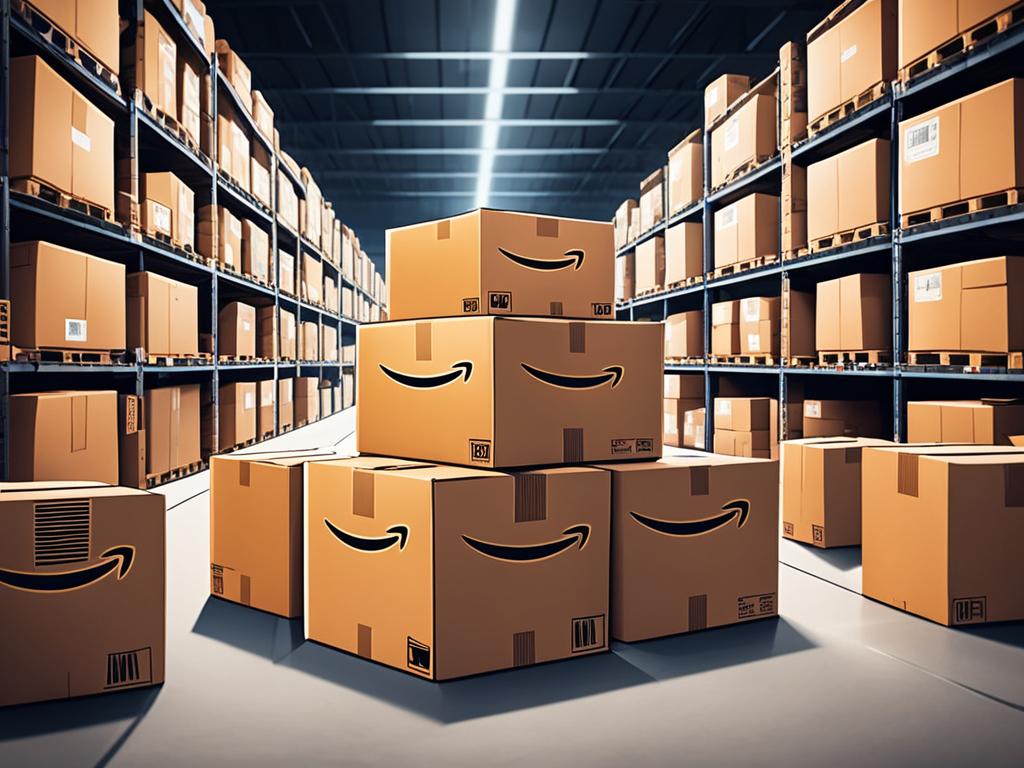
By leveraging the power of Amazon’s extensive fulfillment network, you can focus on other aspects of your business such as marketing and product sourcing. FBA offers several benefits, including:
- Prime eligibility: Your products become eligible for Amazon Prime, giving you a competitive advantage and reaching a larger customer base.
- Increased credibility: Customers trust Amazon’s fulfillment process, which can result in higher conversion rates and customer satisfaction.
- Efficient operations: With FBA, you don’t have to worry about inventory management, packing, or shipping, allowing you to streamline your business operations.
However, it’s important to consider that FBA involves fees and additional costs, including storage fees and fulfillment fees. Make sure to analyze your margins and calculate profitability before choosing this option.
Affiliate Marketing
Affiliate marketing is another viable alternative to dropshipping on Amazon. It involves promoting products or services from other companies and earning a commission on referred sales.
By becoming an affiliate marketer, you can recommend products that align with your target audience’s interests and earn a commission when someone makes a purchase through your unique affiliate link.
Affiliate marketing offers several advantages:
- Diverse product range: You have the flexibility to promote a wide variety of products across different niches, allowing you to cater to different customer needs and preferences.
- Passive income potential: Once you set up your affiliate links, you can generate income even when you’re not actively promoting the products.
- No inventory or customer service responsibilities: As an affiliate marketer, you don’t have to handle product inventory or deal with customer inquiries, saving you time and resources.
However, successful affiliate marketing requires a strategic approach, including selecting the right affiliate programs, creating compelling content, and driving targeted traffic to your affiliate links.
| Fulfillment by Amazon (FBA) | Affiliate Marketing |
|---|---|
| Amazon handles order fulfillment and customer service | No inventory or customer service responsibilities |
| Prime eligibility and increased credibility | Diverse product range and passive income potential |
| Requires fees and additional costs | Requires strategic affiliate program selection and content creation |
Ultimately, the choice between FBA and affiliate marketing depends on your business goals, resources, and niche. Consider evaluating the pros and cons of each option to determine which aligns best with your long-term vision for your brand.
Combining Dropshipping and Amazon
Ready to dive into the world of dropshipping on Amazon? Follow these steps to get started:
1. Set Up Your Amazon Seller Account
To start dropshipping on Amazon, you’ll need to set up an Amazon seller account. This will allow you to list and sell products on the platform. Make sure to provide all the necessary information and verify your account to gain full access to Amazon’s selling features.
Pro tip: Utilize Seller University, a free resource provided by Amazon, to learn more about setting up your account and maximizing your selling potential.
2. Conduct Product Research
Product research is a crucial step in dropshipping success. Take the time to identify profitable products that have a high demand in the market. Consider factors such as competition, profit margins, and customer preferences. Tools like Jungle Scout or Helium 10 can help you analyze market trends and find winning products.
3. List Products and Forward Orders
Once you’ve found profitable products, it’s time to list them on your Amazon seller account. Create compelling product listings with enticing descriptions, high-quality images, and competitive prices. When a customer places an order, you’ll need to forward that order to your dropshipping supplier for fulfillment.
4. Ensure Timely Fulfillment
Timely order fulfillment is crucial for maintaining customer satisfaction. Establish a strong relationship with your dropshipping supplier to ensure efficient and reliable fulfillment. Communicate your expectations and set clear guidelines for shipping times and order processing.
Pro tip: Consider working with multiple suppliers or using a fulfillment service like Modalyst or Spocket to avoid potential fulfillment delays.
5. Providing Excellent Customer Service
Customer service plays a vital role in the success of your dropshipping business. Make sure your customers know who to contact for support and provide clear channels for communication. Promptly respond to inquiries and address any issues or concerns to maintain a positive and professional image.

| Benefits of Combining Dropshipping and Amazon: | Considerations: |
|---|---|
|
|
By following these steps and considering the provided benefits and considerations, you can successfully combine dropshipping and Amazon to build a profitable online business. Keep exploring and experimenting to find the best strategies that work for you.
Conclusion
So, you’ve delved into the world of dropshipping on Amazon and discovered a unique business model with low upfront costs and the potential for profitability. This innovative approach allows you to sell products without the hassle of inventory management or order fulfillment.
However, it’s essential to recognize the challenges that come with dropshipping on Amazon. With fierce competition from other sellers, you need a solid strategy to stand out from the crowd. Adhering to Amazon’s dropshipping policy is crucial to avoid penalties and maintain your selling privileges.
Another critical aspect to consider is customer satisfaction and supplier cooperation. As the face of the business, providing excellent customer service and building trust with your buyers is essential. Additionally, partnering with reliable dropshipping suppliers who are willing to list you as the seller of record and provide top-notch customer support is vital to your success.
While dropshipping on Amazon offers significant advantages, it’s important to be aware of the pros and cons. On one hand, the low upfront costs and the potential for high-profit margins make it an attractive business model. On the other hand, competition can be fierce, and the dependence on suppliers and fulfillment processes requires careful management.
By understanding Amazon’s dropshipping policy, selecting trustworthy suppliers, and exploring alternatives like Fulfillment by Amazon (FBA) or affiliate marketing, you can navigate the world of dropshipping on Amazon more effectively and improve your chances of success.
FAQ
Is dropshipping permitted on Amazon?
Yes, dropshipping is permitted on Amazon as long as sellers adhere to the platform’s policies.
What is dropshipping?
Dropshipping refers to the fulfillment method where sellers outsource order fulfillment to a third party, such as a supplier or manufacturer.
What is Amazon’s dropshipping policy?
Amazon’s dropshipping policy includes guidelines such as identifying oneself as the seller on all packaging and paperwork, not including third-party information in product descriptions or packaging materials, accepting and processing returns, and complying with the Amazon Terms of Service.
What are the tips for success in dropshipping on Amazon?
Some key tips for success in dropshipping on Amazon include being the seller of record, setting the price and recording sales and revenue, avoiding the use of ecommerce or retail sites for dropshipping, taking accountability for the customer experience, ensuring customers know who to contact for support, and working with dropshipping suppliers who are willing to list the seller as the seller of record and provide customer service support.
What factors should sellers consider when selecting a dropshipping supplier for Amazon?
Sellers should consider factors such as not giving access to their Amazon account to a third party, ensuring the supplier has proof of authorization to sell specific brands, checking if the supplier has experience working with Amazon sellers, and confirming whether the dropshipping supplier can provide customer service support and handle returns within Amazon’s policies.
What are some alternatives to dropshipping on Amazon?
Alternatives to dropshipping on Amazon include Fulfillment by Amazon (FBA), where sellers can store products in Amazon’s fulfillment centers and have Amazon handle order fulfillment, returns, and customer service, and affiliate marketing, where sellers promote products from other companies and earn a commission on referred sales.
How can I start dropshipping on Amazon?
To start dropshipping on Amazon, sellers need to set up an Amazon seller account, conduct product research to find profitable products, and follow the dropshipping process of listing products, forwarding orders to the supplier, and ensuring fulfillment. Utilizing tools like Seller University can provide free training and resources to help sellers navigate the process.